A 7-Day Autumn Campervan Itinerary In November - Part 3

Route map
Tokyo → Toyama → Kanazawa → Fukui/Eiheiji → Miyama or Amanohashidate/Ine → Lake Biwa → Tokyo
Recommended season window
Early November: Fukui’s inland foliage may be strongest; Kanazawa’s gardens and northern Kyoto are beginning to change.
Mid-November: the best all-round window for the route.
Late November: Kanazawa, Eiheiji, coastal Fukui, Miyama and northern Kyoto are the strongest choices; check mountain-road conditions before driving.
This is a long route from Tokyo. It is best for confident drivers who enjoy Campervan road trip.
Why a campervan suits this route
The appeal of this journey is the variety between stops: Kanazawa’s gardens, Fukui’s temple country, the Sea of Japan coast and northern Kyoto’s rural villages. Public transport is possible, but connections become less frequent once you leave the major cities.
A campervan gives you the freedom to stop at a roadside seafood market, reach a countryside temple before the crowds, carry warm clothing and change the order of your route when foliage or weather moves. It also lets you stay closer to rural scenery instead of returning to a city every night. Use campsites, RV facilities and other clearly permitted overnight locations.

Day 1: Tokyo to Toyama
Driving: approximately 5.5–6.5 hours, without long sightseeing stops.
Suggested stops
Take the expressway route through the Japanese Alps and aim to arrive in Toyama by mid-afternoon. This is a substantial driving day, so keep the sightseeing simple and stop at service areas when needed.
Begin with Kansui Park and the Fugan Canal, an easy place to stretch your legs after the drive. The open waterfront, bridges and modern Toyama scenery create a gentle first impression of the region.
If you have extra time, visit the Toyama Glass Art Museum or take a short walk around Toyama Castle Park. For food lovers, Toyama is a worthwhile first stop because of its access to fresh seafood from Toyama Bay.
Overnight
Stay at a campsite or designated RV-friendly facility around Toyama. Choose a place with easy road access and avoid adding a remote mountain detour after a long first drive.
Food and onsen
Try Toyama Bay sushi, masu-zushi, local seafood or a warming bowl of noodles. Finish with a public bath or day-use onsen before the next morning’s short drive.

Day 2: Toyama to Kanazawa
Driving: approximately 1–1.5 hours.
Suggested stops
Drive west to Kanazawa and start at Kenrokuen Garden, one of Japan’s most celebrated landscape gardens. In November, its ponds, bridges, pine trees and maples create a classic autumn scene. The garden’s yukitsuri rope supports, prepared for winter snow, also add a distinctly Kanazawa detail.
Continue to Kanazawa Castle Park, then walk through the Higashi Chaya District. The preserved wooden teahouses, narrow lanes and evening lanterns make Kanazawa feel very different from Tokyo.
If time allows, choose the Nagamachi Samurai District or Gyokusen-en Garden. Nagamachi offers earthen walls and former samurai residences; Gyokusen-en is smaller and quieter, with a refined garden atmosphere.
Overnight
Stay at a campsite or designated RV-friendly facility on the edge of Kanazawa. Choose one with easy road access so you do not need to drive through the busiest central streets.
Food and onsen
Visit Omicho Market for seafood and local produce, then try Kaga cuisine or a seasonal set meal. Finish with a sento or onsen bath.

Day 3: A second Kanazawa morning
Driving: approximately 1–2 hours locally.
Suggested stops
Use the morning for the Kanazawa sights you missed on Day 2. Visit Utatsuyama Park or Mount Iouzen if you want woodland and elevated views, or take a slower walk through the Nagamachi Samurai District and Gyokusen-en Garden.
This extra half-day is useful in November because Kanazawa’s foliage often peaks later than mountain regions. It also gives you room to adjust around rain without losing the city’s main highlights.
If you prefer a coastal stop, visit a seafood market or nearby Sea of Japan viewpoint before leaving the city.
Overnight
Stay another night at your Kanazawa facility. This keeps the route comfortable and avoids moving the campervan for a short sightseeing day.
Food and onsen
Enjoy another Kanazawa seafood meal, Kaga cuisine or seasonal wagashi. Try an onsen or public bath before the longer drive to Fukui tomorrow.

Day 4: Kanazawa to Fukui and Eiheiji
Driving: approximately 1.5–2 hours.
Suggested stops
Drive south to Eiheiji Temple, a major Soto Zen temple set among cedar forest. The quiet corridors, wooden buildings and mossy grounds make it particularly atmospheric in cool autumn weather.
Continue to Ichijodani Asakura Clan Ruins, the remains of a medieval castle town surrounded by wooded hills. It adds history and open space to the day, and it is less crowded than Japan’s most famous castle destinations.
If you prefer a coastal stop, visit Tojinbo Cliffs near Sakai. The columnar rock formations and Sea of Japan views create a dramatic contrast with Kanazawa’s gardens and Fukui’s temple scenery.
Overnight
Stay at a campsite or permitted overnight facility around Fukui City, Eiheiji, Awara Onsen or Mikuni. Awara is convenient if you want a traditional hot-spring evening.
Food and onsen
Fukui is known for Echizen soba, seafood, sesame tofu and winter crab season, which begins in early November. Try an onsen in Awara or Eiheiji after sightseeing.

Day 5: Fukui to northern Kyoto
Driving: approximately 2.5–4 hours, depending on your destination.
Suggested stops
Choose one of two northern Kyoto approaches:
Miyama: Drive towards Miyama Kayabuki no Sato, a traditional village of thatched-roof houses surrounded by forested hills. It is one of the most visually distinctive stops on this route and works well for a slow autumn walk.
Amanohashidate and Ine: Continue towards the Sea of Japan coast for Amanohashidate, a pine-covered sandbar viewed from above or along the shore. Then drive to Ine, known for its boat houses built directly along the water. This option is longer but gives the trip a memorable coastal identity.
Do not attempt both Miyama and Ine on the same day. Choose according to your interests and the weather.
Overnight
Stay at a campsite or designated facility near Miyama, Amanohashidate or Ine. Confirm late-November opening dates, as some rural facilities operate seasonally.
Food and onsen
Look for mountain vegetables, local rice, soba and freshwater fish around Miyama. On the coast, choose seafood, oysters or crab when in season. Use a local bath or onsen rather than relying on a hotel-style spa.

Day 6: Explore northern Kyoto
Driving: approximately 1–2.5 hours locally.
Suggested stops
If staying near Miyama, take a morning walk through Kayabuki no Sato before visiting a nearby forest or riverside viewpoint. The village is worth visiting because it shows a rural side of Kyoto that feels far removed from the crowded temple districts.
If staying near Amanohashidate, take the chairlift or monorail to Amanohashidate View Land for the classic sandbar panorama. Then continue to Ine for a waterfront walk. The boat houses are best appreciated slowly, from the road, a viewpoint or a permitted boat tour.
Keep the day flexible. Northern Kyoto roads can be wet and misty in November, and a shorter local route may be more enjoyable than trying to cover every viewpoint.
Overnight
Stay a second night in the same northern Kyoto base. This is especially useful for a campervan because it lets you leave the vehicle parked while exploring on foot or by local transport.
Food and onsen
Try regional soba, local vegetables, seafood and seasonal sweets. Ask your campsite or visitor centre for the nearest public bath; rural onsen facilities may have limited hours.
Day 7: Northern Kyoto to Tokyo via Lake Biwa
Driving: approximately 7–9 hours, plus breaks and traffic.
Suggested stops
Start early for the long return journey. Use Lake Biwa as the main break. The lake provides open scenery, waterfront walks and a calmer contrast after several days of historic towns and temples.
If autumn colour is still strong, stop at Hikone Castle. Its historic keep, garden and moat make it a more interesting halfway stop than a generic service area. Alternatively, visit Enryakuji on Mount Hiei only if road and weather conditions are suitable; the mountain can be cold and foggy late in November.
Overnight
If you prefer not to complete the full return in one day, make this an eight-day itinerary and stay at a designated facility around Lake Biwa, Nagoya or Gifu. For the seven-day version, continue to Tokyo only if you are comfortable with a long motorway drive and have enough time for the campervan return.
Food and onsen
Try Omi beef, lake fish, regional noodles or a set meal around Lake Biwa. Choose one or two proper service-area breaks rather than adding a distant sightseeing stop. Allow plenty of time for refuelling, cleaning, traffic and returning the campervan.
Practical November advice
Check current foliage updates for Kanazawa, Fukui and northern Kyoto before choosing the order of the route.
Mountain roads can become foggy, icy or seasonally restricted in late November.
Ask your campervan provider about heating, bedding and winter tyres.
Carry waterproof shoes and warm layers; Sea of Japan weather can change quickly.
Reserve rural campsites in advance and confirm that they remain open after mid-November.
Do not drive long rural transfers after dark unless you are comfortable with narrow, unlit roads.
For
current road conditions, use the MLIT Road Information System. For weather warnings, check the Japan Meteorological Agency.

Why this is a better November route
This itinerary has more character than a standard Tokyo–Fuji loop. Kanazawa brings gardens, samurai streets and seafood; Fukui adds Zen temples, ancient ruins and the Sea of Japan; northern Kyoto provides thatched villages, pine-covered sandbars and boat houses.
The campervan connects these contrasting landscapes at your own pace. You can follow the foliage, stop for local food, stay close to rural scenery and make the journey itself part of the autumn experience.
If you’re ready to begin your adventure, Roam and Roll Campervan Japan makes exploring the country effortless, comfortable, and unforgettable—no extra rentals required.
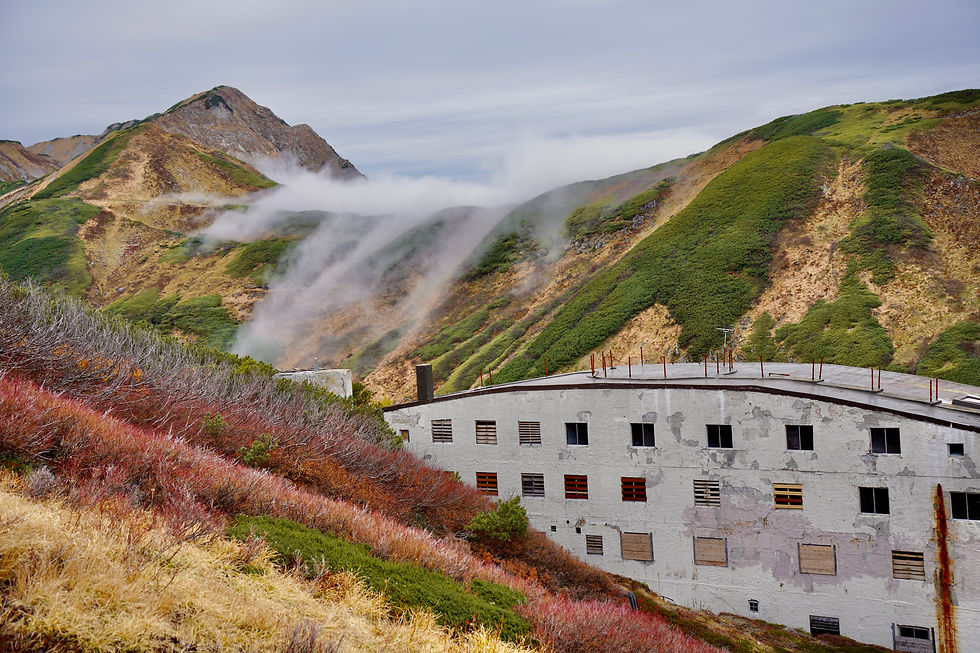
Customer Story: Tokyo to Tateyama Hiking & Camping Adventure | 5-Day Campervan Road Trip Japan
One of our Roam and Roll Campervan guests set off from Tokyo and headed to the breathtaking Tateyama mountain range for a 5-day, 4-night adventure.


Comments