Free & Affordable Campsites in Japan: A Campervan Guide


Find places to camp, park and slow down on your Japan road trip 日本の無料キャンプ場
One of the best parts of travelling Japan by campervan is having the freedom to leave the city behind and spend the night surrounded by mountains, lakes, forests and countryside.
Japan has a wide range of campsites, including free community-run campgrounds, affordable campsites, auto campsites and RV-friendly facilities. However, finding the right place to stay can sometimes be confusing, especially for first-time campervan travellers.
To make planning easier, Roam & Roll Campervan Japan has put together a campsite map to help you discover possible overnight stops around Japan.
Explore the Roam & Roll Campsite Map
Our map includes a selection of campsites around Japan to help you start planning your campervan route.
Roam & Roll campsite map : Open the campsite map
Map guide:
🟢 Free Campsites
Official or community-maintained camping areas that generally do not charge a camping fee.
🟡 Affordable Campsites
Lower-cost camping options that can be useful for travellers looking for simple facilities and a place to stay overnight.
🔴 Paid Campsites
Established campgrounds that usually offer more facilities or organised camping areas.
Because campsite prices can depend on the number of guests, vehicle size, parking fee, season and camping style, always check the latest pricing before visiting.
Free Campsites Are Not the Same as Wild Camping
One important distinction when travelling in Japan is the difference between an official free campsite and simply parking or camping somewhere without permission.
Free campsites are generally designated places where camping is allowed. Some are maintained by local councils, communities or other organisations and may provide basic facilities such as toilets, water areas or maintained camping grounds.
Wild camping, on the other hand, may not be permitted depending on the location.
For campervan travellers, we recommend using official campsites, auto campsites, RV parks or other locations where overnight stays are clearly permitted rather than assuming that an empty parking area is suitable for camping.
Things to Know Before Camping in Japan

1. Check Whether Campervans Are Accepted
Not every campsite that accepts tents allows campervans or vehicles to remain next to the camping area.
When searching, look for terms such as:
Auto Camp / オートキャンプThese sites usually allow you to park your vehicle at or close to your campsite.
If you're unsure, check the campsite's official website or contact them before arriving.
2. Some Campsites Require Reservations
Free does not always mean first-come, first-served.
Some campsites require advance registration or reservation, while others allow walk-ins. During weekends, public holidays and popular travel seasons, booking ahead is recommended.
For popular areas such as Mt. Fuji, Yamanashi, Nagano and Izu, planning your overnight stops before starting your trip can make the journey much easier.
3. Opening Seasons Can Vary
Many campsites, particularly those in mountain regions, operate seasonally.
Outside their official season, facilities such as toilets and running water may be closed, even if the area itself appears accessible.
This is particularly important for autumn, winter and early-spring campervan trips.
Always check the latest operating information before driving to a campsite.
4. Don't Expect Showers at Every Campsite
Many campsites in Japan, including paid sites, do not have shower facilities.
Fortunately, this is one of the pleasures of travelling Japan by campervan — you can combine camping with day-use onsen.
A typical Roam & Roll road trip might look like:
Drive → Explore → Onsen → Campsite → Cook → Sleep → Repeat 🚐♨️🏕️
Search for nearby:
日帰り温泉 — Day-use onsen
スーパー銭湯 — Large public bath / spa
温泉 — Hot spring
5. Be Prepared to Take Your Rubbish With You
Japan has very limited public rubbish bins, and many campsites expect campers to take their rubbish away when leaving.
Some paid campsites offer rubbish disposal, sometimes for an additional fee, so check when you arrive.
Please help keep Japan's camping areas clean for the next traveller.
6. Campfires May Have Specific Rules
Open fires are often restricted.
Many campsites require campers to use a raised fire pit rather than building a fire directly on the ground.
Always check the individual campground rules before lighting a fire.
7. Respect Wildlife and Nature
When camping in rural or mountain areas, remember that Japan is home to wildlife including deer, monkeys, wild boar and bears.
Keep food secured, avoid leaving rubbish outside overnight and follow any warnings displayed by the campsite or local authorities.
Campsites, RV Parks and Michi-no-Eki: What's the Difference?

For campervan travellers in Japan, these terms can sometimes be confusing.
Campsites
Best when you want to set up chairs, tables, cooking equipment or a tent and spend time outdoors.
Auto Campsites
Usually the most convenient choice for campervan travellers because vehicles can often be parked directly beside the camping area.
RV Parks
Designed specifically for overnight vehicle stays and may offer facilities such as electricity, toilets or waste services.
Michi-no-Eki
Michi-no-Eki are roadside stations intended primarily as rest stops for drivers.
They can be extremely useful during a road trip for toilets, local food, produce and rest breaks, but they should not automatically be treated as campsites.
Always check the rules of each location before planning an overnight stay, and avoid setting up camping equipment unless explicitly permitted.
Our Recommendation for First-Time Campervan Travellers

If this is your first campervan trip in Japan, we recommend planning at least your first few overnight stops before leaving Tokyo.
You don't need to schedule every hour of the trip, but having a rough plan for where you'll sleep makes the journey much more relaxing.
A good approach is:
Choose your region → Find 2–3 possible campsites each night → Check opening dates → Confirm vehicle access → Check nearby onsen → Save backup locations
That way, you still have the freedom of campervan travel without spending the evening searching for somewhere to stay.
A Few Final Tips


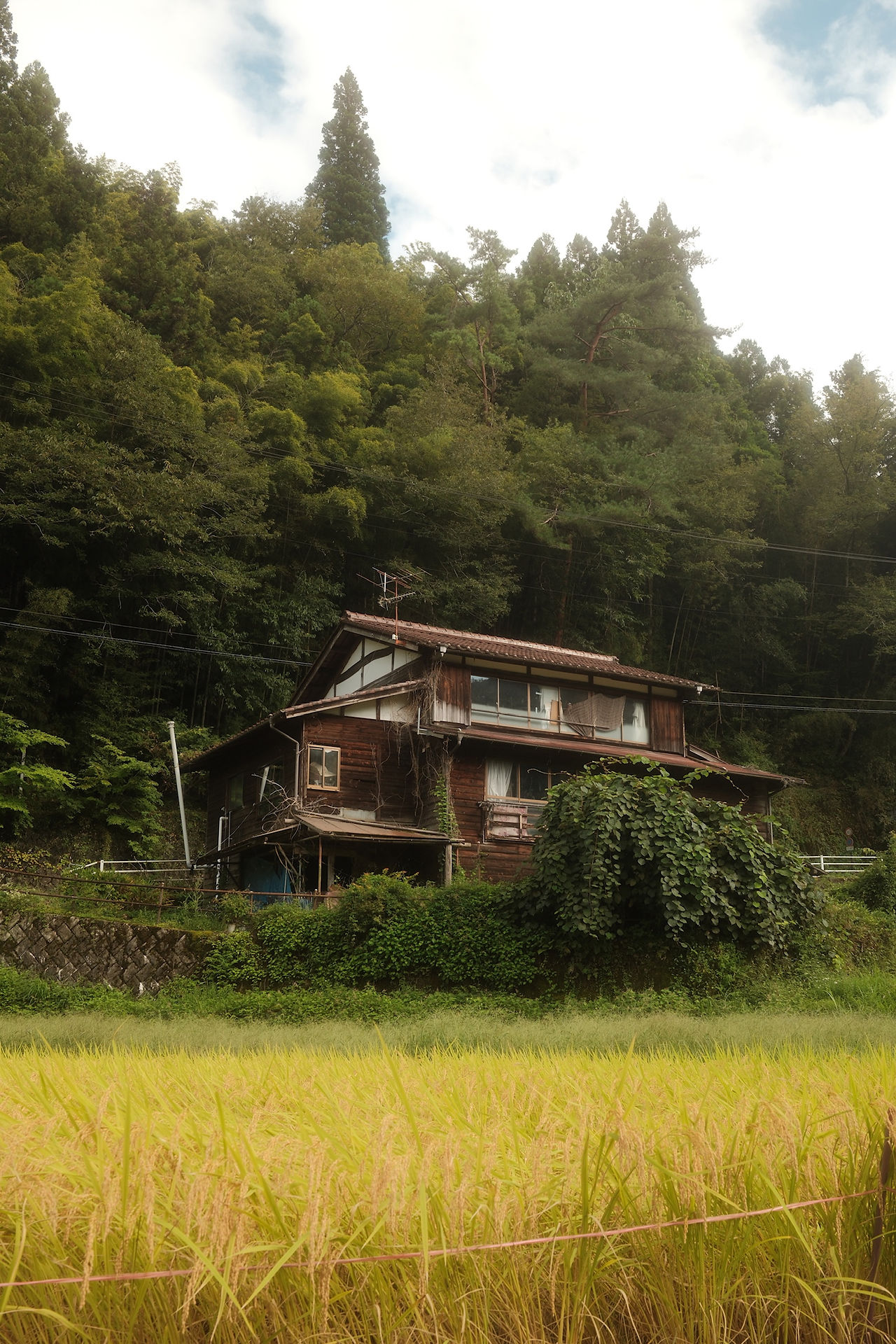


Campervan travel in Japan is less about finding somewhere to park anywhere you like and more about discovering great places where you're genuinely welcome to stay.
Check the rules, arrive before dark when possible, respect the local community, leave the campsite cleaner than you found it and give yourself enough flexibility to change plans when the weather does.
Then all that's left is to enjoy the road.
Thank You to Travelers from Around the World for Choosing Roam & Roll Campervan Japan
We’re proud to be part of unforgettable journeys for travelers from all around the world. At Roam & Roll Campervan Japan, we provide premium-quality campervans and attentive service to help you enjoy the freedom of the open road and discover Japan’s beautiful nature, culture, and hidden destinations at your own pace.


Driving around Japan may be easier than you think. With the right documents and a little route planning, a road trip gives you the opportunity to experience a side of Japan that many travelers never get to see.
If you’re looking for a journey with more freedom and flexibility, traveling by campervan is one of the best ways to explore Japan’s mountains, lakes, countryside, and charming small towns.
Start planning your journey today with Roam & Roll Campervan Japan and discover Japan your own way.
If you’re interested or have any questions, feel free to contact us:
Instagram: @roamandrolljapan
Facebook: Roam & Roll Campervan Japan
Browse our campervan models and pricing at 🌐 www.roamandrollcampervan.com


Comments