Campervan Accident in Japan: What to Do & Insurance Claim Steps

Updated: Jan 28

Driving a campervan in Japan is an unforgettable travel experience, offering freedom, flexibility, and access to stunning natural scenery. However, if an accident happens—whether minor or serious—knowing the correct procedures and required documents for insurance claims can significantly reduce stress and prevent unnecessary complications.
This guide covers everything you need to know, step by step, from the moment an accident occurs to what to do afterward. We walk you through the entire process clearly and practically:
What to do immediately after the accident
Who to contact and in what order
Which documents are required for insurance claims
What happens after the incident
A practical checklist to make sure you don’t miss anything
Whether you are traveling for the first time or renting a campervan regularly in Japan, this article will help you stay calm, act correctly, and handle the situation smoothly from start to finish.
What to Do Immediately After an Accident

If you are involved in a campervan accident in Japan, stay calm and follow these steps carefully. Acting correctly from the very beginning is crucial for both safety and insurance claims.
1. Stop the vehicle immediately and turn on the hazard lights Pull over to a safe location if possible. Turning on your hazard lights alerts other drivers and helps prevent further accidents.
2. Check for injuries Carefully check yourself, your passengers, and anyone else involved in the accident.
3. Call 119 if there are any injuries If anyone is injured—even slightly—call 119 to request an ambulance. Do not hesitate, as medical response in Japan is fast and professional.
4. Call the police at 110 (mandatory in all cases) You must call 110 to report the accident to the police, regardless of how minor it may seem. This applies to all traffic accidents in Japan, including scratches or small bumps.
⚠️ Very Important: In Japan, insurance companies may refuse to process a claim if there is no official police report. Always make sure the police attend the scene and create an accident record.
5. Call your travel insurance
If you did have your own travel insurance, call them to report the accident and ask them what are the documents they require for the claim.
Prevent Secondary Accidents

After ensuring everyone’s safety and contacting emergency services, your next priority is to prevent further accidents at the scene. This step is essential, especially on busy roads or highways.
1. Move the vehicle to a safe location if possible If the campervan is still drivable, carefully move it to the side of the road, a shoulder, or a safe parking area to avoid blocking traffic.
2. Exit the vehicle from the safe side When leaving the campervan, always exit from the side away from traffic to reduce the risk of being hit by passing vehicles.
3. Use warning devices if available Place a reflective warning triangle, emergency cone, or use additional warning lights if your campervan is equipped with them. These signals help alert approaching drivers and reduce the risk of secondary collisions.
⚠️ Safety Reminder: Never stand in traffic lanes or behind the vehicle on fast-moving roads. Always prioritise personal safety over the vehicle or belongings.
Collect Evidence at the Scene
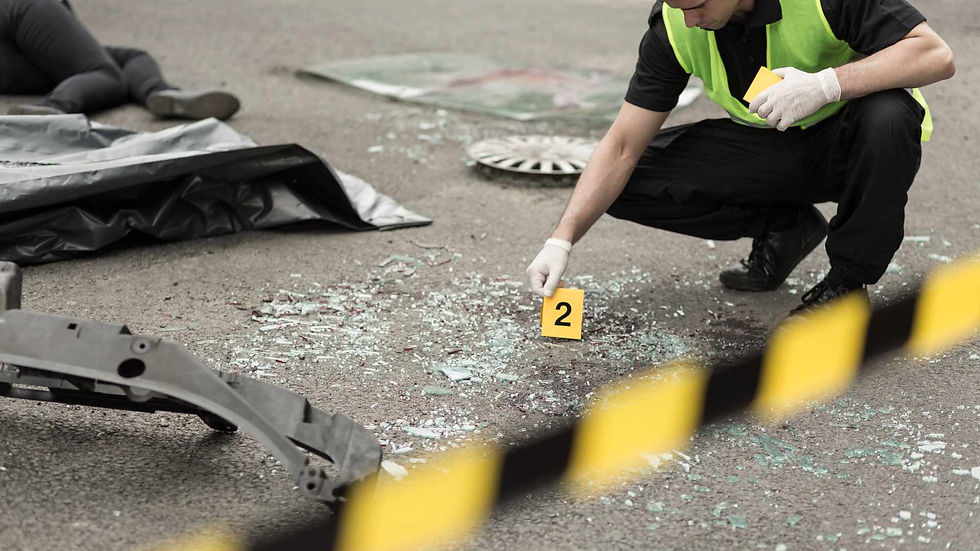
Proper documentation is crucial for insurance claims and legal procedures in Japan. Make sure to collect as much clear evidence as possible before leaving the scene, as missing information may delay or invalidate your claim.
Take photos and videos of:
The overall accident scene
Vehicle positions on the road
All visible damage to every vehicle involved
The other party’s license plate and contact information
Road conditions, traffic signs, and traffic lights
Time, weather, and visibility conditions
Keep a record of the dash cam footage
If there are witnesses:
Politely ask for their name and phone number
Witness statements can be very helpful if there is a dispute
⚠️ Important: Clear photos and videos taken immediately after the accident are often required by insurance companies and the police report.
Contact the Rental Company Immediately

After securing the scene and collecting evidence, you must contact the campervan rental company as soon as possible. Prompt communication helps the company provide proper instructions and ensures that insurance coverage remains valid.
Prepare and report the following information:
Your rental contract number
Exact accident location (Google Maps link or coordinates)
Whether the campervan is still drivable or not
Whether there are any injuries
Share pictures and videos
Important reminders:
Do not repair the vehicle yourself
Do not call a tow truck on your own, unless you have received clear instructions and approval from the rental company, taking independent action may affect insurance
coverage or result in additional charges.
⚠️ Always follow the rental company’s guidance to avoid complications with repairs, towing, or insurance claims.
Documents Required for Campervan Insurance
Claims in Japan

This is the most important step in the entire accident process. Missing documents—especially police records—may result in your insurance claim being partially approved or completely rejected.
Essential Documents for Insurance Claims

1. Police Accident Report / Reference Number
The official accident report issued by the Japanese traffic organisation.
You need to go to the nearest police station to submit an application for the accident report.
The report will be sent to the rental company within 7 days.
⚠️ Critical: Without a police accident report or reference number, many insurance claims will NOT be accepted in Japan.
2. Rental Agreement
Your official campervan rental contract
Confirms vehicle details, rental period, and authorised driver(s)

3. Driver’s License Documents
Prepare copies of all three:
International Driving Permit (IDP)
Driver’s license from your home country
Japanese translation (if required by the rental company)
4. Passport Copy
Passport of the main renter / driver
Used to verify identity and rental ownership
5. Accident Evidence Photos
Include clear photos of:
Damage to all vehicles involved
Overall accident scene
Road conditions, traffic signs, signals, and surroundings
The more detailed the photos, the smoother the claim process.
6. Accident Summary Report
A written explanation of the incident, including:
Date, time, and exact location
What happened (facts only, no assumptions)
Weather and road conditions
This helps insurers understand the situation clearly and fairly.
If the Campervan Is Not Drivable

Use only the towing service arranged or approved by the rental company. Do not call a tow truck on your own without permission.
Keep all receipts for any expenses paid in advance (if applicable).These documents may be required for insurance claims.
If it is safe to do so, remove all personal belongings from the vehicle before towing.
Follow the rental company’s instructions at all times to avoid issues with insurance coverage.
After the Accident: What You Need to Do Next

Once the situation at the scene has been properly handled, the next step is to proceed with documentation and damage assessment. This is a crucial part of the insurance claim process and can greatly affect how smoothly the claim is handled.
1. Submit All Required Documents to the Rental Company
The renter must provide all relevant documents, including:
Police accident report
Photos of the vehicle damage and accident scene
Accident summary report
Copies of the driver’s documents
Submitting complete and accurate documents as quickly as possible will help ensure a smoother and faster insurance claim process.
2. Wait for the Insurance Assessment
The insurance company will review:
The cause of the accident
The extent of vehicle damage
The coverage based on the selected insurance package
The review period may vary depending on the complexity of the case.
3. Review Costs That May Not Be Covered by Insurance
Even with insurance, the renter may still be responsible for certain expenses, including:
Deductible - The amount the renter must pay before the insurance coverage applies.
Interior Vehicle Damage - Such as damage to beds, tables, cabinets, seats, or curtains.
Campervan Equipment and Accessories - Including kitchen equipment, gas stoves, camping gear, tables, chairs, or other accessories. Damage caused by improper use may not be covered by insurance
NOC (Non-Operation Charge) - A fee paid by the renter to compensate the rental company for lost business while a vehicle is being repaired or cleaned due to an accident, or damage caused by the renter.
FAQ – Frequently Asked Questions

❓ Do I need to report minor accidents to the police?
✅ Yes. In Japan, all accidents must be reported to the police, even minor ones. A police accident report is required for insurance claims. Without it, insurance coverage may be denied.
❓ What if there is no other party involved?
✅ You still must report the accident. This includes incidents such as:
Hitting a pole or guardrail
Scraping the curb
Damaging the vehicle in a parking garage (e.g. low ceilings or walls)
Even single-vehicle accidents require a police report for insurance purposes.
❓ What happens if I don’t contact the rental company immediately?
⚠️ This may violate the insurance terms. Failing to notify the rental company as soon as possible may result in:
Insurance claims being rejected
The renter being fully responsible for repair costs
Always contact the rental company immediately after an accident.
❓ Does insurance cover everything?
❗ Not always. Coverage depends on the insurance package selected. In most cases:
A deductible applies, meaning the renter must pay a portion of the repair cost.
Some damages may not be covered, especially those caused by improper use or negligence.
Always review the insurance terms carefully before your trip.


Comments